

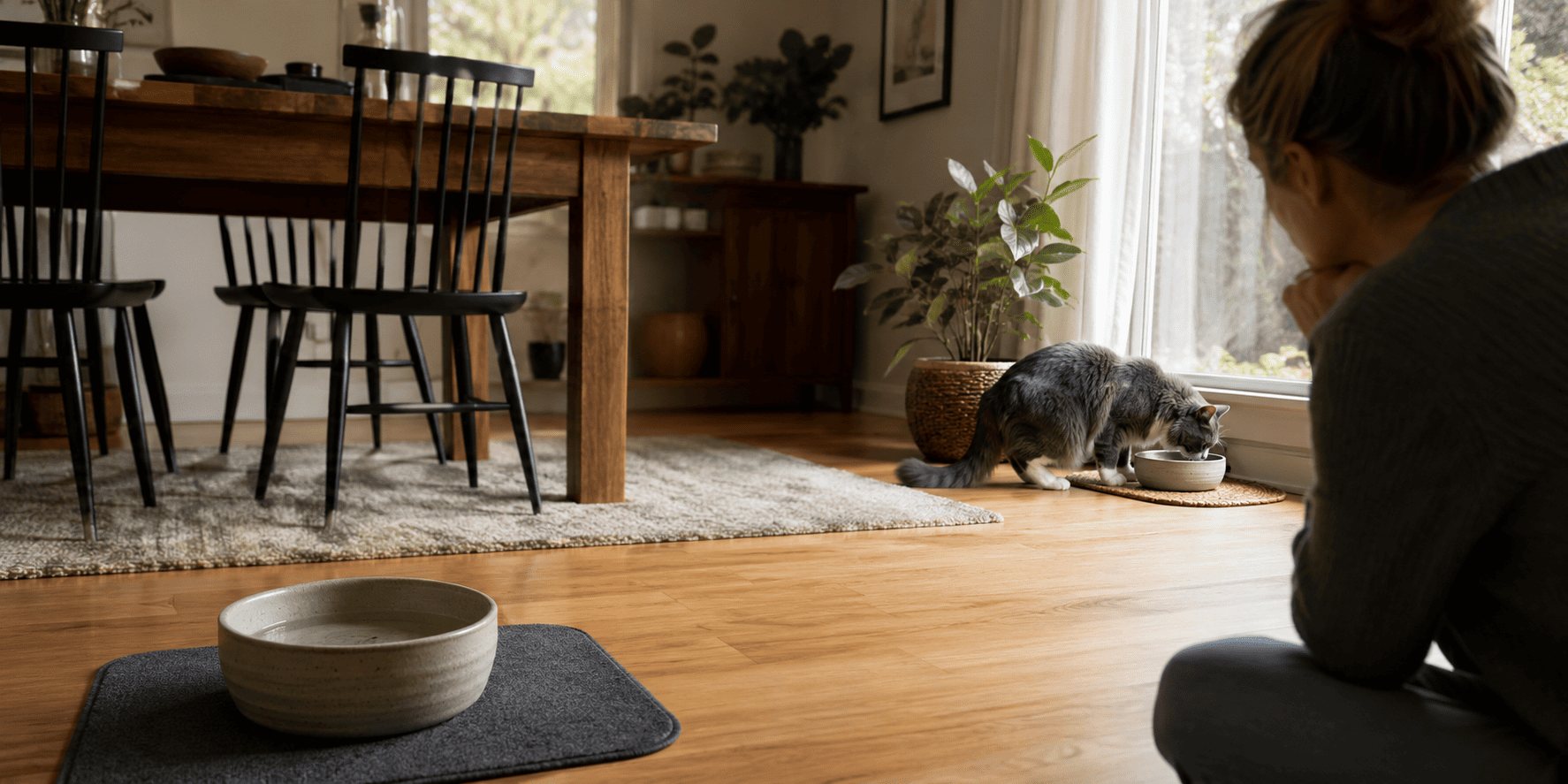
If your cat won’t drink from the water bowl, first find out whether the problem is the bowl or water intake in general. A cat eating wet food may take in substantial moisture through meals and show little interest in a bowl. Another cat may ignore one bowl but drink from a faucet, fountain, glass, or second station. That pattern points toward preference or access rather than a complete refusal of water. Bowl shape, material, cleanliness, location, water freshness, noise, another pet, and even a new household scent can change use. A sudden drop in total fluid intake alongside poor appetite or illness is a different and more important problem.
When a Cat Won’t Drink From the Water Bowl, Check Total Intake First
Watch where fluid is actually coming from before focusing on the rejected bowl. Wet food can contain a large amount of water, so a cat may rarely be seen drinking and still take in fluid with every meal. A cat that ignores the kitchen bowl but drinks from a fountain in the bedroom is also not refusing water. For a day or two, note food format, which water sources are used, and whether urine output looks normal. Do not remove alternative water just to force the cat to prove a preference.
The distinction matters because a cat’s water intake comes from both drinking and moisture in food. If appetite, urine, energy, and behavior are normal and the cat consistently uses another water source, troubleshooting the bowl is reasonable. If all fluid intake appears to fall at once, move beyond product preference and consider veterinary advice.
Also check whether the cat is drinking in places you do not usually notice. Bathroom sinks, shower floors, plant saucers, glasses, and dripping taps can become alternative sources. Block unsafe water sources, but use the discovery to understand what features the cat may prefer.
After a health problem or dental treatment, water preference can change again. Reassess rather than assuming a previous bowl refusal is permanent. The cat may return to the original source once discomfort resolves, or may continue preferring the alternative.
Try a Wider, Stable Bowl Before Buying a Fountain
Some cats appear more comfortable with a wide shallow bowl that lets them position the head without pressing into narrow sides. Stability matters too. A lightweight bowl that slides across tile or tips when touched can make drinking awkward. Ceramic, glass, and stainless steel are easy to clean and do not need to be expensive. The practical test is simple: place a clean wide bowl beside the existing setup or in another quiet location and see whether the cat chooses it over several days.
Avoid changing material, shape, water type, and location simultaneously. If the cat suddenly uses the new bowl, you will not know which difference mattered. Begin with the easiest variable. Keep the familiar bowl available while testing. Preference is easier to learn when the cat has choices rather than when one option disappears every morning.
If you use plastic and the surface becomes scratched, it can be harder to clean thoroughly. Replacing an old scratched bowl with a smooth washable option may help hygiene even if material itself is not the main preference. Keep the test simple and observe use.
Smell and Biofilm Can Make Clean-Looking Water Unappealing
A bowl can look clean while a slippery film develops on the surface or around the water line. Fountains can hide buildup inside pumps, tubing, and narrow channels where it is harder to see. Wash bowls regularly with a product that rinses away well and follow fountain instructions for disassembly and cleaning. Replace filters on the schedule recommended for the device, but do not treat a filter as a substitute for washing the fountain itself.
The room can also change smell even when the bowl has not moved. A new floor cleaner, scented spray, diffuser, detergent, or nearby trash bin may make the station less appealing. Cats rely heavily on scent, so a human may think the water corner is unchanged while the cat experiences it as a new place. If use drops after cleaning day, move a plain bowl away from the scented area and compare.
Fountain pumps deserve special attention because a device can become louder as the water level falls or debris collects. A cat may use the fountain for weeks and suddenly stop when the sound changes. Refill and clean before assuming the cat has lost interest in moving water.
Location Can Matter More Than the Bowl
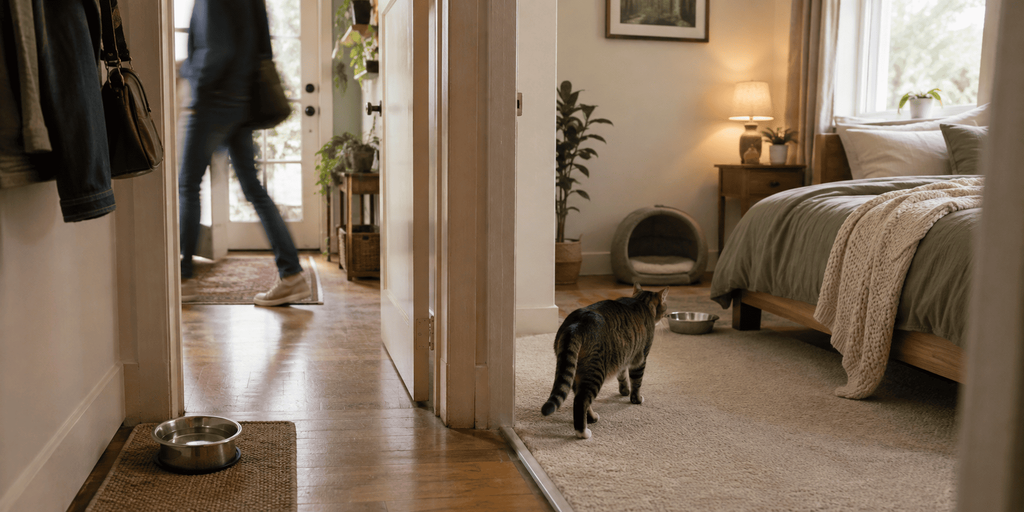
A water station beside a litter box, noisy appliance, busy doorway, or dog bed can be less comfortable than the same bowl in a quiet room. Some cats prefer to drink where they can see the surroundings and leave in more than one direction. Others choose a station near a favorite resting area because it requires less travel. Offer more than one location if space allows. This is especially useful for seniors, multi-level homes, and cats that spend much of the day in one part of the house.
Think about routes as well as destinations. A bowl may be technically accessible but require passing a dog, another cat, a loud air conditioner, or a child’s play area. If the cat drinks normally from an identical bowl elsewhere, the location has given you useful information. Keep successful stations rather than moving them back to where humans prefer the bowl to be.
A second station near a favorite resting place can also help cats with reduced mobility. If a senior cat drinks from the closer bowl but ignores the kitchen, the issue may be effort rather than taste. Keep important resources within comfortable daily routes as mobility changes.
Another Pet Can Make a Water Bowl Feel Occupied
Cats do not need to fight for one cat to avoid a shared resource. A confident cat may rest beside the water, stare from a doorway, or routinely arrive when another cat approaches. A dog may drink noisily and leave water or saliva around the bowl. The less confident cat may wait until the area is empty or stop using it altogether. Watch access at different times of day rather than assuming shared bowls are peaceful because you have never seen aggression.
Separate water stations by meaningful distance and route. Two bowls side by side do not create much choice if one animal can control the entire area. In multi-cat homes, place water where cats can reach it without crossing a social bottleneck. If the hesitant cat begins drinking from a private station, keep it. Resource duplication is often simpler than trying to teach animals to share one perfect bowl.
Do not force social sharing because both cats appear calm at other times. Water use may be brief and easy to miss. If one cat repeatedly drinks only when another is sleeping, separate stations are justified even without visible aggression.
Still Water and Moving Water Are Preferences, Not Rules
Some cats are drawn to dripping taps or fountains, while others avoid motor noise, vibration, or moving surfaces and prefer a plain bowl. A fountain is therefore an option, not an automatic hydration upgrade. If your cat repeatedly seeks faucets, testing a quiet fountain can make sense. Keep a normal bowl available during the trial so the cat is not forced to accept the new device. Watch actual use rather than assuming the purchase works because the cat inspected it once.
If a fountain becomes the preferred source, maintenance becomes part of hydration care. Clean the pump and hidden parts, keep the water level high enough for quiet operation, and provide a backup bowl during power outages or cleaning. If the cat prefers still water, there is no reason to keep pushing moving water. The useful setup is the one the cat uses and you can keep clean.
Some cats use a fountain only after days of investigation. Keep the motor quiet and the old bowl available during that period. If the cat never chooses the fountain, return it rather than trying to train a preference that has no clear benefit.
Water Temperature and Freshness Can Change Use
Cats can notice small changes in water that people ignore. Some drink readily after a fresh refill but lose interest as food debris, dust, or room odor enters the bowl. Others are sensitive to very cold water straight from the refrigerator or to a new tap-water smell after plumbing changes. You do not need to buy bottled water by default. Begin with fresh clean water in a washed bowl and compare one simple alternative only if the refusal persists.
- Refresh the bowl on a predictable daily routine.
- Rinse away food crumbs if the bowl sits near feeding areas.
- Keep water away from strong household fragrance.
- Test one familiar water source before changing several variables.
- Use multiple stations rather than repeatedly moving one bowl.
Avoid adding salty broth or strongly flavored liquids just to create interest unless your veterinarian has advised an appropriate option. A hydration trick should not introduce unsafe ingredients or unnecessary sodium.
If you suspect tap-water changes, compare with a known safe alternative for a short period instead of permanently switching without evidence. The question is whether the cat resumes drinking, not whether one source sounds more premium to humans.
Use a Three-Choice Test Instead of Constantly Changing the Setup
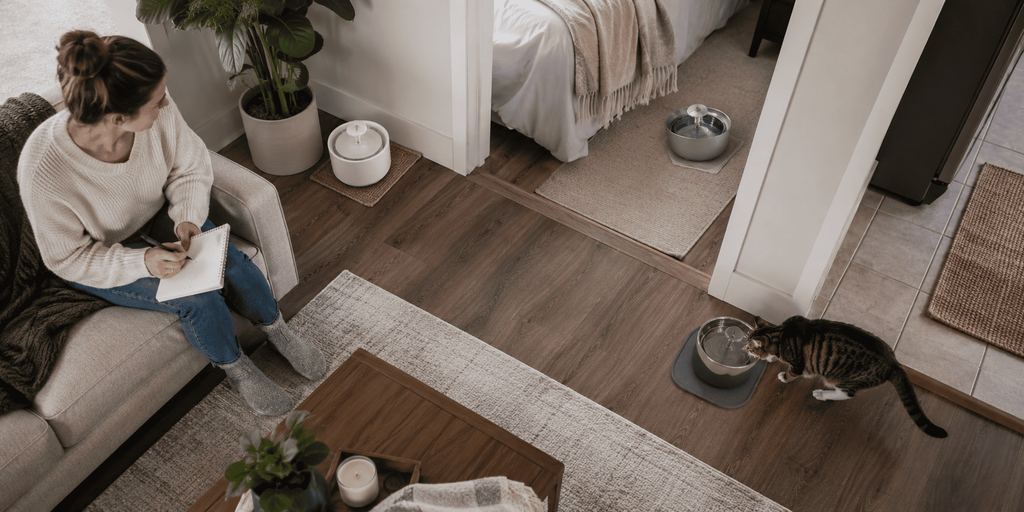
If your cat is otherwise well, set up three simple choices for several days: the familiar bowl in its usual place, a wide clean bowl in a quieter location, and the cat’s known alternative such as a fountain if one already exists. Keep food and household routine stable. Note which source is used and when. This small experiment can separate bowl shape from location and can reveal whether the cat simply prefers another station. Do not hover, carry the cat to the bowl, or put paws in water.
Once a preference is clear, simplify again. You do not need a permanent laboratory of bowls. Keep at least two useful options in larger homes or multi-cat households, then maintain them consistently. If no source is used and urine or appetite also decreases, stop treating the problem as a bowl experiment and contact your veterinarian.
During the three-choice test, keep bowls far enough apart that location actually differs. Three bowls lined on one mat test shape more than environment. A useful experiment changes one feature while leaving others stable enough to interpret.
If the cat uses one option only at night or only when people leave, that timing is also useful. It may point to traffic or social pressure rather than the bowl itself. Keep the successful station available at the time it is preferred before deciding the experiment failed.
Seek urgent care for severe weakness, collapse, difficulty breathing, repeated vomiting that prevents fluids staying down, or inability to urinate normally. In those situations the question is no longer which bowl your cat prefers. For a stable cat, patient testing of shape, cleanliness, location, and social access usually gives better information than buying several new hydration products at once.
When Water-Bowl Refusal Becomes a Health Concern
A cat that eats normally, urinates normally, and gets moisture from wet food can look like a poor bowl drinker without being dehydrated. Concern rises when the change is sudden and total fluid intake appears to fall, especially with reduced appetite, vomiting, diarrhea, weakness, dry or tacky gums, constipation, weight loss, or smaller urine output. Existing kidney, urinary, heart, or metabolic disease can also lower the threshold for veterinary advice.
References
- Enhancing Water Intake for Your Cat — Cat Friendly Homes — Feline-veterinary guidance on water placement, bowl and fountain preferences, wet food, added water, and safe ways to support intake.
- Hydration — Cornell Feline Health Center — Explains how drinking and food moisture contribute to total water intake and when low intake or fluid loss becomes a health concern.
- What Is Normal for Your Cat? — Cat Friendly Homes — Supports using an individual cat’s usual drinking, eating, urine, and behavior patterns to recognize meaningful changes.
