

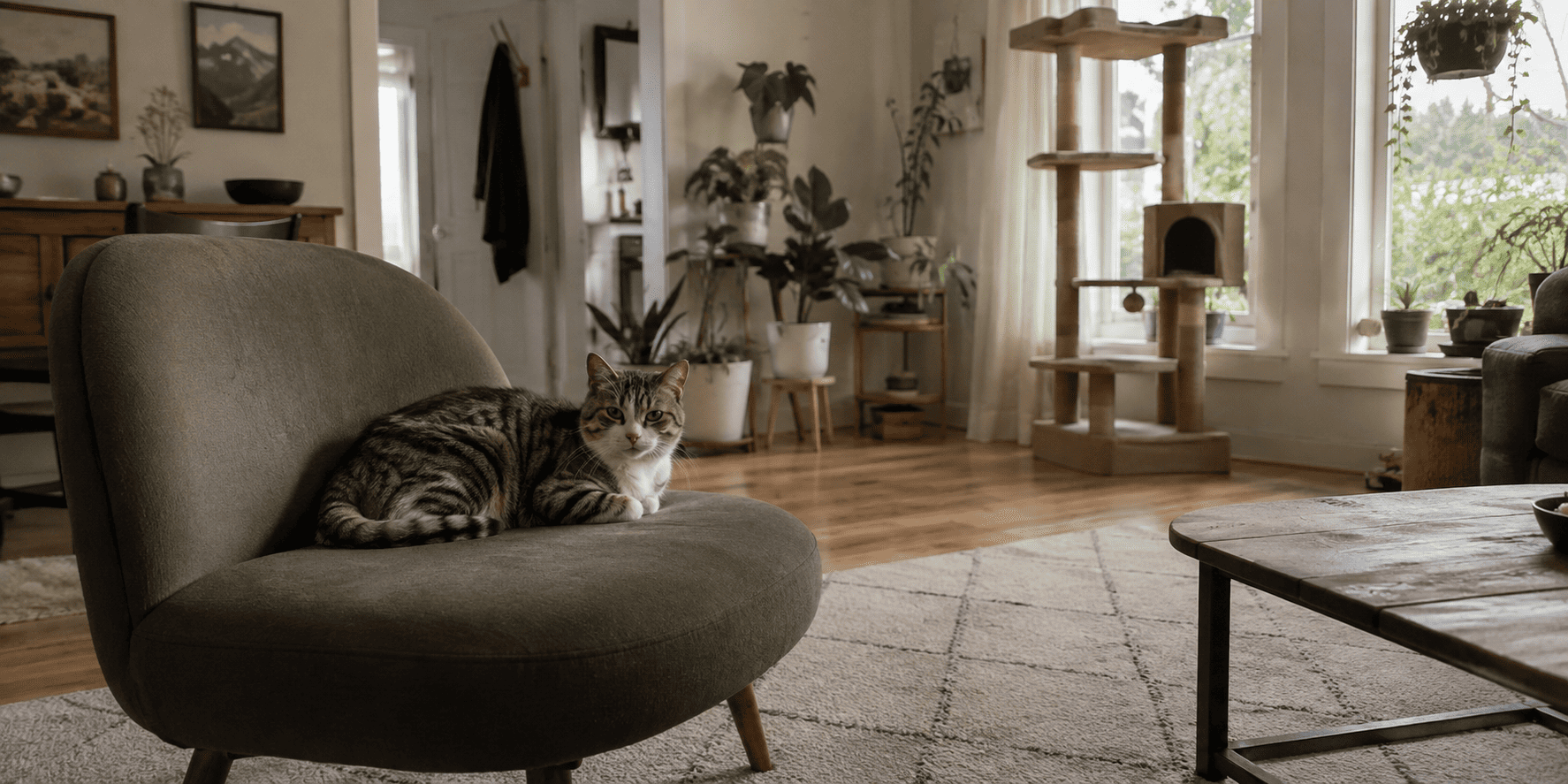
A cat less active than usual deserves attention because the comparison is with that cat’s own baseline, not with an abstract idea of how playful cats should be. One quiet afternoon can be normal. A persistent change in jumping, play, grooming, walking, social behavior, or willingness to climb may reflect pain, excess weight, illness, stress, age-related change, or simply a temporary shift in routine. The useful first step is to define exactly what “less active” looks like instead of using one broad label.
Frequency and intensity are separate. A cat may still jump onto the sofa but do it once a day instead of ten times, or may still play but stop after thirty seconds. Those partial changes are worth recording because they can appear earlier than complete refusal of an activity.
Sleeping location can be part of activity too. A cat that moves from a high bed to a floor cushion may be conserving effort even if total sleep time looks unchanged. Location changes are easy to miss because the cat still appears comfortable. Record new lower resting choices along with obvious changes in play.
Define the Activity That Changed
Write down the specific behavior. Did your cat stop jumping onto the bed, shorten play sessions, sleep in lower places, move more slowly to meals, avoid stairs, or stop following you between rooms? Those patterns point toward different possible barriers.
A cat that still plays but no longer jumps may have a mobility problem. A cat that stops both eating and interacting needs a different level of concern. Precision makes the observation useful to a veterinarian.
Weather and household rhythm can alter activity temporarily. Very warm days, a disrupted sleep schedule, or a quiet household weekend may change when the cat moves. Compare several normal days before drawing conclusions, unless the change is dramatic or accompanied by other signs that require faster care.
Also compare weekday and weekend patterns. A cat may sleep more when the home is empty and become active when people return. If your schedule recently changed, you may simply be observing a different part of the normal cycle. Home-camera clips can help distinguish a true decrease from a change in when activity happens.
Cat Less Active Than Usual? Compare Several Days
One lazy day after an unusually active evening is weak evidence. A change that persists, repeats, or gradually worsens matters more. Compare similar parts of the day because cats often have predictable sleep and activity cycles.
Look for a trend across several ordinary days. If the cat used to chase a toy for five minutes and now watches without moving, record that. If the cat still has energetic bursts at the usual times, the overall routine may be more stable than it first appears.
Watch transitions closely. A cat may hesitate before standing, take extra steps before jumping, lower itself carefully from furniture, or choose a longer route that avoids stairs. These movements can be subtle in a familiar home because the cat adapts around discomfort rather than showing obvious limping.
Grooming changes can support the mobility clue. A cat with discomfort may leave the lower back or hindquarters less tidy because reaching those areas is harder. A greasy or matted patch can therefore be part of an activity problem rather than a separate cosmetic issue.
Pain Often Looks Like a Change in What the Cat Stops Doing
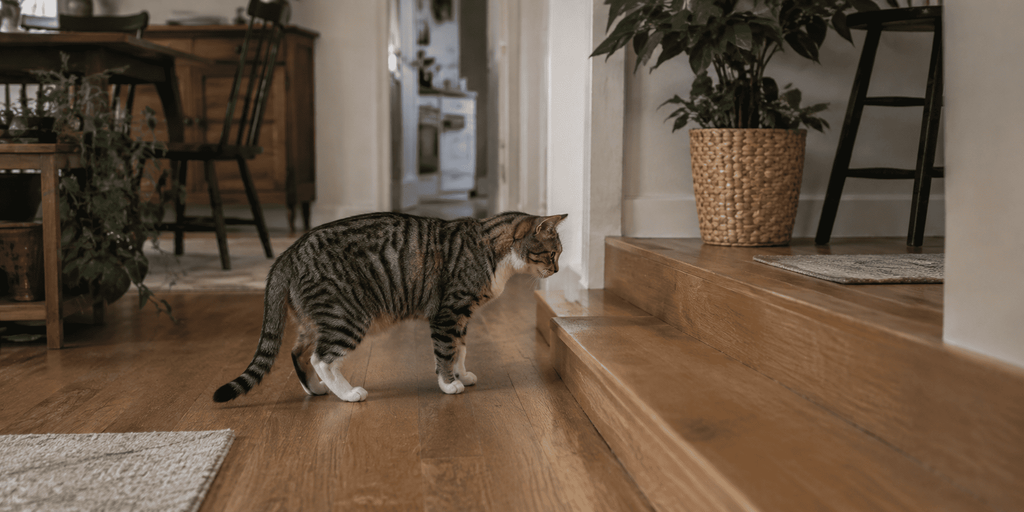
Cats can hide pain, and reduced movement is a common clue. Cat Friendly Homes lists hesitation to jump, reduced mobility, diminished activity, difficulty getting up, and decreased grooming among behavior changes associated with pain.
Think functionally. A painful cat may still walk normally across a flat floor but stop using a high perch. That is why everyday changes worth watching in indoor cat health often appear as small broken routines before dramatic symptoms develop.
Check whether treats, automatic feeders, or food stealing changed at the same time. Weight gain is often gradual, so the household may not notice until movement looks different. A monthly weight record and occasional body-condition check make the trend easier to see before activity drops substantially.
Do not try to “exercise off” significant weight without addressing food intake. Short play sessions are valuable for enrichment and movement, but calorie control is usually central to safe weight management. Ask your veterinarian for a plan that protects lean tissue while weight changes gradually.
Weight Gain Can Make the Same Home More Physically Expensive
Extra body weight can reduce normal activity and make climbing or play harder. Cornell notes that obesity can inhibit physical activity and is associated with other health risks. A cat may enter a cycle where weight gain reduces movement, making energy balance even harder to manage.
Do not respond with severe food restriction. Weigh the cat, assess body condition, review portions and treats, and ask your veterinarian for a safe plan if weight is above ideal. Reduced activity can be both a cause and a consequence of weight gain.
Senior cats may also change the type of play they enjoy. Watching, batting from a bed, or making short pounces can still be meaningful activity. Adapt the game to the cat’s current ability while watching for pain or disease. Reduced intensity does not have to mean eliminating enrichment.
Make access easier while preserving choice. A step beside the bed, low-entry litter box, and water on the main floor can reduce unnecessary effort. If the cat becomes more active after these changes, that is useful information, but it still does not rule out pain or disease that deserves veterinary assessment.
Age Changes Activity, but “Older” Is Not a Diagnosis
Senior cats may play differently, sleep more, and prefer lower routes. They can also develop arthritis, dental disease, kidney disease, thyroid disease, vision changes, or other conditions that alter activity. It is easy to label a gradual decline as normal aging and miss treatable discomfort.
Adapt the home while you investigate. Add lower steps, keep important resources on easy routes, and offer shorter play sessions. Environmental support is useful, but it should not replace veterinary evaluation when the change is clear.
Appetite and activity together are particularly useful. A cat that rests more but eats, grooms, and uses the litter box normally is a different case from one that becomes quiet and leaves meals unfinished. A cluster narrows the timeline for veterinary advice even when no single sign looks dramatic.
Water and litter changes can be especially informative in older cats. Increased thirst, larger urine clumps, weight loss, and reduced activity can occur together in several medical conditions. Do not treat the activity change as a separate personality issue when the rest of the routine is moving too.
Look for Changes That Travel With the Activity Drop
- Eating less or more than usual
- Weight loss or gain
- Drinking or urinating more
- Vomiting or diarrhea
- Hiding or avoiding touch
- Reduced grooming or a matted coat
- Stiffness, limping, or hesitation before jumping
- Breathing changes or reduced exercise tolerance
A cluster is more informative than one quiet behavior. The combination can also change how quickly you should contact your veterinarian.
In multi-cat homes, watch whether one cat has stopped using shared pathways. It may spend more time in one room because another cat occupies the hall, stairs, food route, or favorite perch. Adding alternative routes and separated resources can reveal whether social access is affecting movement.
Home cameras can reveal social pressure that disappears when people are present. One cat may wait until another leaves before crossing a hallway or visiting water. If reduced activity is actually reduced access, environmental changes can make a dramatic difference even though the cat was never medically “lazy.”
Stress Can Reduce Movement Without Causing Obvious Fear
A new pet, visitor, construction noise, furniture change, or conflict with another cat can shrink the area a cat feels comfortable using. The cat may appear “lazy” while actually avoiding routes, rooms, or shared resources.
Watch where the cat stops going. If activity is normal in one safe room but reduced elsewhere, environmental or social pressure may be part of the picture. Make resources accessible in more than one location and preserve safe resting places while the cause is addressed.
Film on a non-slip surface when possible. A slippery floor can make any cat move cautiously and may confuse the picture. Include ordinary reference movements, such as walking toward food, alongside the movement you are concerned about. Comparison within the same video can be helpful.
Repeat the same short activity every few days if you are monitoring a gradual change. A five-second clip of the cat stepping onto the sofa can show progression better than memory. Keep the task voluntary and familiar; do not make the cat jump repeatedly just to obtain a better recording.
Use Home Video to Capture Movement the Clinic May Not See
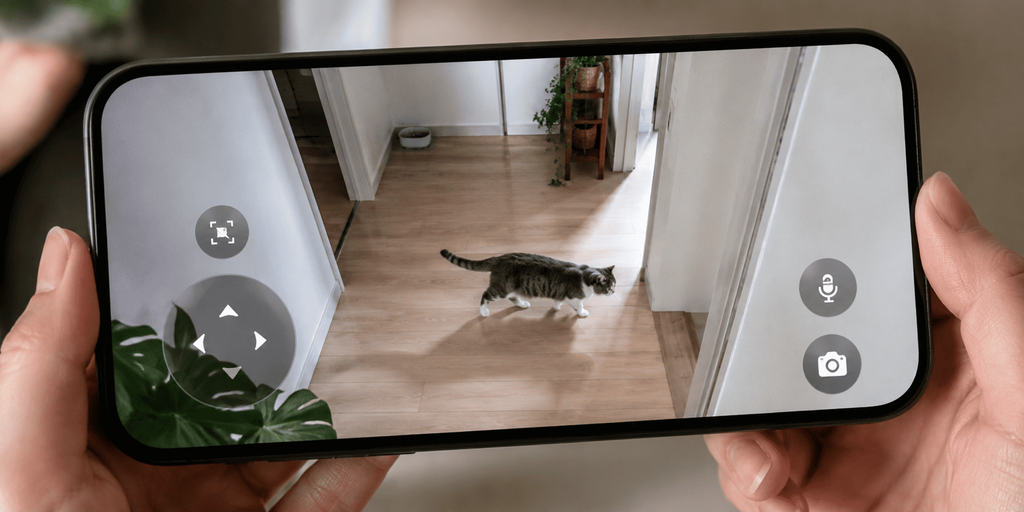
Record short clips of the cat walking, using stairs, jumping, getting into the litter box, or playing with a familiar toy. Cats may move differently in a veterinary clinic because of stress, adrenaline, or an unfamiliar surface.
A video is most useful when it shows the whole body and includes the movement before and after the problem. Pair it with a simple timeline: when the change started, whether it is worsening, and which activities disappeared first.
Bring a list of medications and supplements to the appointment because some treatments can affect energy, appetite, or movement. Note any recent injury, fall, boarding stay, diet change, or household disruption. The timeline helps the veterinary team connect reduced activity with other changes you may not initially consider related.
If the cat is older, bring recent weight history and mention any change in jumping height, litter-box entry, or grooming. These details can help the veterinarian assess pain and age-related disease. A phrase such as “less active” becomes much more useful when attached to specific lost functions.
When calling the clinic, describe the lost activity rather than saying only “lethargic” if the cat is still responsive. For example, “stopped jumping onto the bed for five days but still eats normally” gives a clearer picture. Specific functional changes help the team triage the problem.
Keep the home easy to navigate while you wait for evaluation. Move food, water, and litter onto comfortable routes and avoid forcing exercise to test the cat. Supportive access can reduce strain, but it should not be used to decide that a medical check is unnecessary.
Contact the Vet When the Change Is Clear or Comes With Other Signs
Arrange veterinary care when reduced activity persists, is substantial, or comes with appetite change, weight loss, vomiting, breathing difficulty, weakness, pain, abnormal urination, or another new sign. Seek urgent care for collapse, severe breathing difficulty, inability to urinate, or marked distress.
Do not wait until the cat stops moving entirely. A smaller jump, shorter play session, or new reluctance to climb can be useful early information. Knowing the normal routine makes those changes easier to recognize and describe.
References
- How Do I Know If My Cat Is in Pain? — Cat Friendly Homes — Lists subtle pain-related changes including reduced movement, hesitation to jump, decreased grooming, and altered behavior.
- Obesity — Cornell Feline Health Center — Explains how obesity affects activity and why excess weight has important health consequences.
- The Special Needs of the Senior Cat — Cornell Feline Health Center — Reviews age-related monitoring, arthritis, mobility, grooming, and home adaptations for older cats.
