

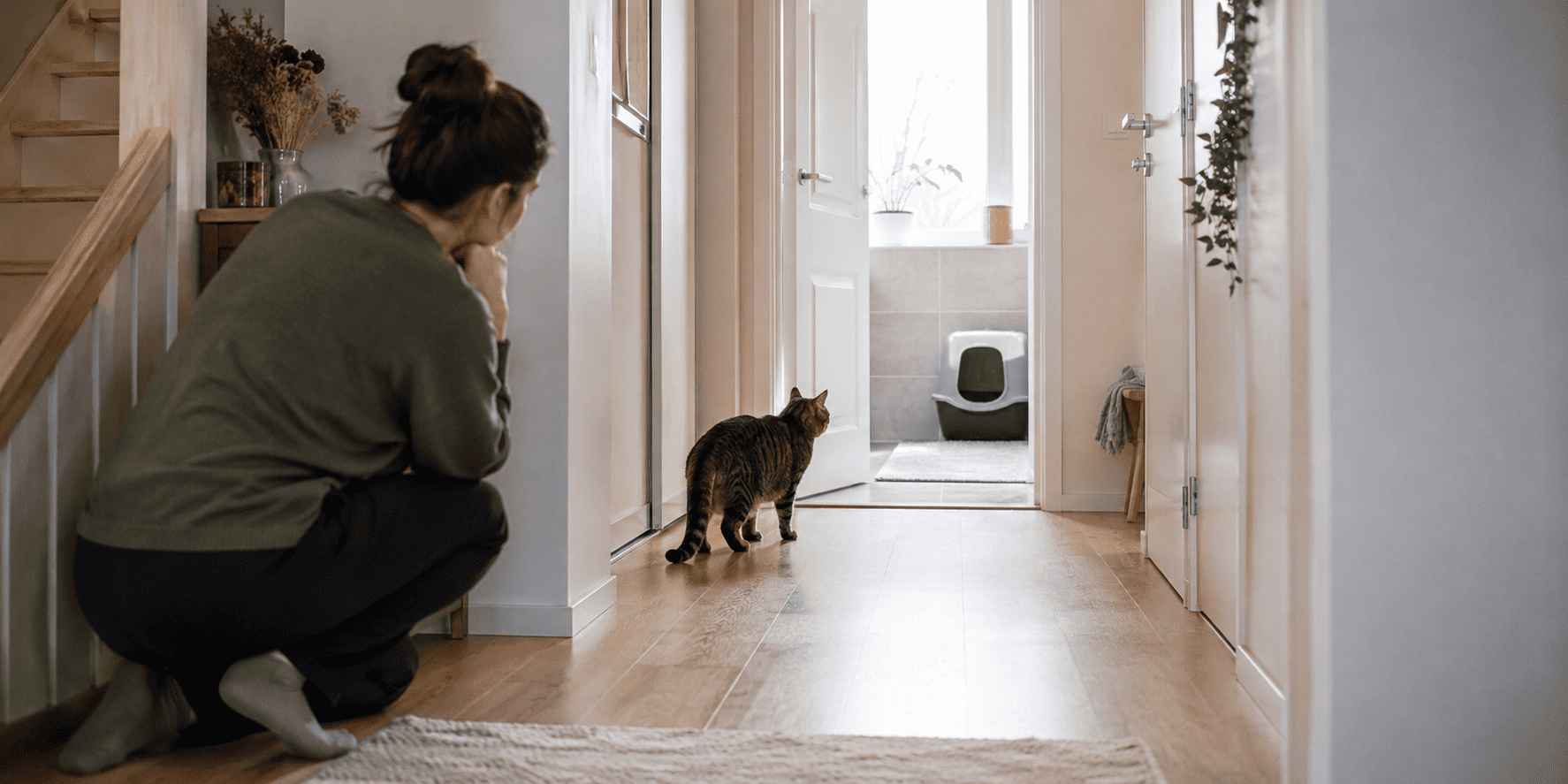
A cat suddenly avoiding the litter box is different from a cat that has always been inconsistent. Something changed: the cat’s body, the box, the litter, the route, the room, another animal, or the memory attached to that location. A reliable cat that begins hesitating at the entrance, toileting elsewhere, or visiting the box less often deserves a cause-focused response. Pain and urinary or digestive problems must be considered, but so should a new litter brand, a dirty tray, construction noise, a dog sleeping near the doorway, a frightening event, or a higher step that became uncomfortable. Reconstruct the timeline before changing the whole setup.
Reconstruct the Last Few Days Before the Avoidance Started
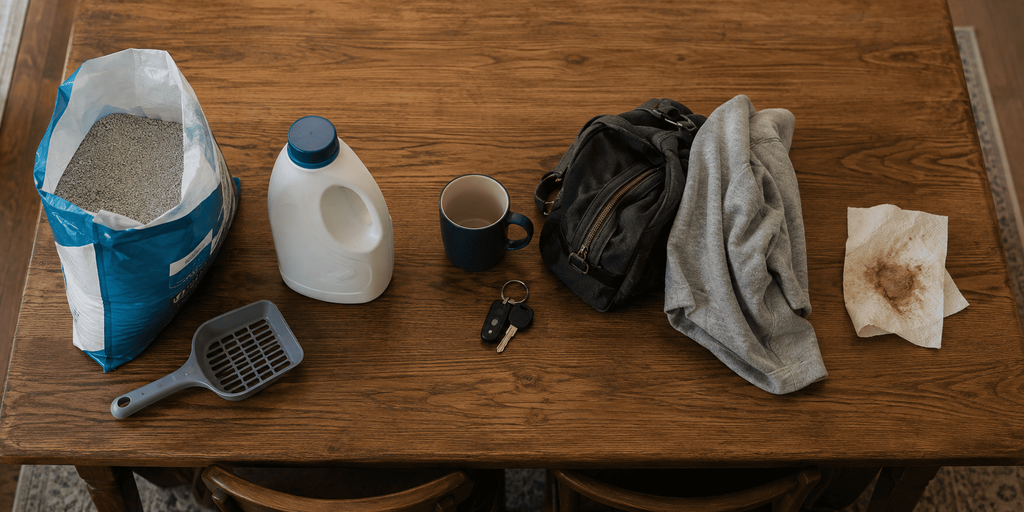
Write down changes that happened just before the first missed box use. Did you replace the litter, buy a covered box, move the tray, deep-clean the room, add a scented deodorizer, bring home a pet, close a door, start construction, or change household routines? Did the cat limp, vomit, develop diarrhea, strain, or stop jumping? A sudden behavior often makes more sense when you place environmental and health events on the same timeline.
Do not dismiss a small change because it seems unrelated. A new laundry appliance cycle beside the box can matter. So can a child beginning to play in the hallway after school or a dog discovering the litter room. The question is not “what big thing happened?” but “what became different at the moment the cat needed to use this resource?”
If the timeline is unclear, think in categories: body, box, litter, room, route, and relationships. This prevents you from focusing only on the newest purchase. A mobility change may have started before the new litter arrived, or a social problem may have become visible only when a second box was removed.
If several changes happened at once, restore the easiest familiar element first and observe. For example, keep the current box location but return the old litter, or keep the new litter but add the old open tray. Sequential testing may feel slower, yet it is often the fastest way to learn what the cat actually objected to instead of creating a new combination every day.
Cat Avoiding the Litter Box Can Be a Pain Signal
Urinary discomfort, constipation, diarrhea, arthritis, injury, and other medical problems can change box use. A cat may associate the tray with pain if urination or defecation hurts, then begin avoiding the location even though the box itself has not changed. High sides and stairs can also become barriers when mobility declines. A cat that once jumped easily may still be able to reach furniture while finding the repeated step, turn, dig, and squat inside a box uncomfortable.
Repeated straining, frequent trips with little urine, blood, crying, vomiting, marked lethargy, or inability to urinate normally needs prompt veterinary attention. Male cats with urinary obstruction can become critically ill. A sudden house-soiling problem without dramatic signs still deserves veterinary discussion, especially in an older cat. Environmental troubleshooting should not become a reason to postpone medical assessment.
Some painful conditions create subtle avoidance before obvious house-soiling. The cat may stand at the edge longer, dig less, or leave without covering. Those early changes are worth mentioning at a veterinary visit because they show that the litter routine itself became physically different.
Bring a short video of unusual entry, turning, or squatting posture if you can record it without disturbing the cat. Movement can reveal discomfort that is hard to describe.
Check Whether the Litter Changed Before the Cat Did
A new litter can change texture, scent, dust, depth, and footing all at once. Cats that tolerated a previous product may refuse pellets, strong perfume, or a coarse formula. Even a new bag of the same brand can feel different if the formulation changed. If avoidance began after a litter switch, restore the previous litter in one clean box while keeping the new option available. That single comparison is more informative than cycling through three brands in a week.
Depth matters too. Very deep litter can feel unstable, while too little may limit digging and covering. the combination of box size, litter depth, location, and cleaning determines whether the toilet is comfortable to use. Change the variable most closely linked to the timeline instead of treating all litter-box features as equally suspicious.
Keep one familiar litter option even when you believe the new product is better. Human priorities such as lower tracking or stronger odor control do not automatically match feline preference. A temporary side-by-side test can prevent weeks of accidents caused by a change the cat never accepted.
A Dirty or Strong-Smelling Box Can Become a Sudden Problem
Cats differ in tolerance for waste, and a change in household routine can make a previously acceptable cleaning schedule fail. If work becomes busier and scooping shifts from daily to every other day, one cat may begin looking elsewhere. Multi-cat households fill boxes faster, especially if one box has become the favorite. Strong deodorizing powders or fragranced cleaners can also make a clean-looking tray smell unfamiliar to the cat.
Reset with a thoroughly cleaned box and familiar unscented litter, then scoop at least daily. Avoid using ammonia-based cleaners around accident areas because the odor can resemble urine. If the cat returns to a consistently clean box, keep the easier cleaning routine rather than assuming the problem is permanently solved. Maintenance is part of the setup.
Check whether the box itself absorbed odor or developed scratches that are hard to clean. An older plastic tray can remain unpleasant even after the litter is changed. Replacing one worn box with a similar-sized clean tray can test hygiene without changing the entire setup.
Look for the Scary Event That Happened Near the Box
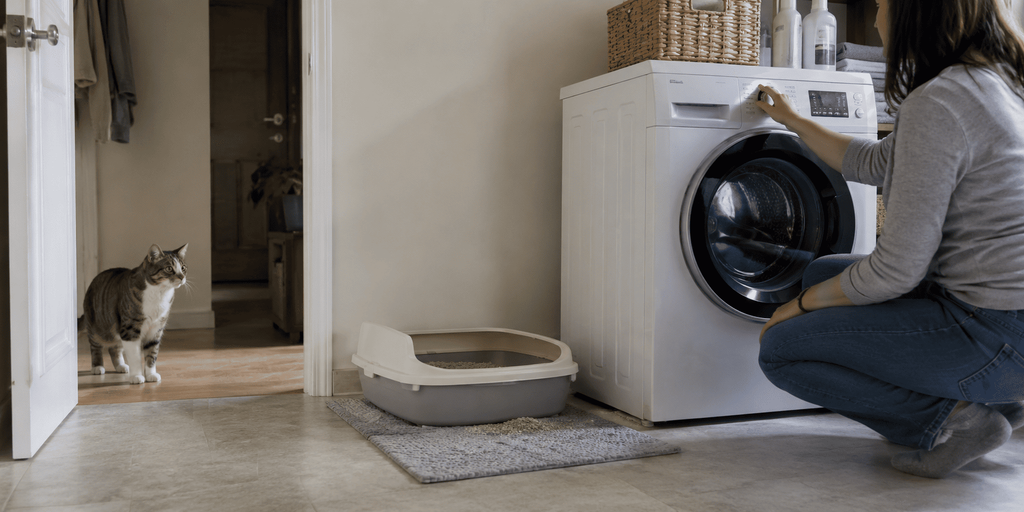
A cat can develop avoidance after being startled by a washer, furnace, dropped object, dog, child, or another cat while eliminating. Medication given in the litter room can also make the area predict handling the cat dislikes. The box may remain physically unchanged while its emotional meaning changes. Watch whether the cat approaches, pauses, scans, then leaves. A quick exit after elimination or a crouched route to the box can suggest the area feels unsafe.
Do not carry the cat to the box to prove it is safe. Add a clean box in a quieter location with the same preferred litter and an open escape route. If that box is used reliably, the location is giving you evidence. You can decide later whether the original site can be rehabilitated or whether the better location should remain permanent.
A frightening event may happen only once but alter future approach. If the washer suddenly spun during elimination, the cat can remember that location long after the noise stops. A quiet alternative box often rebuilds confidence faster than repeatedly placing the cat beside the original machine.
Another Cat Can Block Access Without a Fight
Intercat tension is often subtle. One cat may sit in a doorway, stare, follow, or occupy the route to the litter area. The other cat may wait until the room is empty or choose a different surface rather than risk passing. Because no hissing or attack occurs, people can miss the connection. A home camera can reveal patterns that happen at night or when humans are absent.
- Place boxes in separate locations rather than side by side.
- Provide more than one route to important resources where possible.
- Watch who waits, follows, or leaves when another cat appears.
- Do not place every litter box in one room controlled by one doorway.
- Spread food, water, resting, and scratching resources too.
Improving social access around the whole home can reduce litter pressure more effectively than buying a different tray.
In households with more than two cats, think in social groups rather than just total cat count. Cats that tolerate each other may still prefer different resources. Boxes distributed across territories give less confident cats options that do not require passing through another group’s core area.
Test a Better Box Without Removing the Familiar One
If the cat is stable and medical concerns have been addressed, add one clearly better toilet option. Choose a large open tray, familiar litter, easy entry, quiet location, and a route that cannot be easily blocked. Leave the old box in place during the test. Choice allows the cat to show a preference and prevents a failed experiment from leaving no acceptable toilet. Watch which box is used for urine and stool rather than assuming they will be the same.
If the new box is accepted immediately, identify what made it different. Was it larger, lower, cleaner, quieter, or socially safer? Then change one feature of the old setup only if you need to. The goal is to learn the barrier, not to create two mysterious boxes and hope the problem disappears.
Give the new box enough time to generate evidence. One sniff is not rejection, and one successful use is not proof the problem is solved. Several days of consistent preference, combined with fewer accidents, gives a stronger signal that the tested change matters.
Keep the successful fix stable for several weeks. If a larger low-entry tray in a quiet room restores use, do not rush to move it back because the original location was more convenient. If avoidance persists despite medical evaluation and a strong litter setup, ask your veterinarian about a structured behavior plan. Sudden litter-box avoidance deserves investigation, not blame.
Keep an Accident Log Short Enough That You Will Use It
For one week, note the time, location, urine or stool, approximate amount, which boxes were clean, and any obvious household event. A photo can help show repeat location or stool quality. You do not need a detailed diary of every movement. Look for clusters: accidents only overnight, only after the dog enters the hall, only when one box is dirty, or only after a new litter refill. Patterns turn a frustrating problem into something testable.
Clean accident areas thoroughly with a product appropriate for pet urine or stool on that surface. Residual odor can draw a cat back even after the original cause improves. Do not punish, shout, spray water, or place the cat into the box after an accident. Fear can add another negative association and make the log harder to interpret.
A short log can also reveal whether urine and stool avoidance have different patterns. Some cats use one box for urine but choose another location for stool. That split can point toward box size, posture, constipation, or substrate preference and may need a more specific investigation.
If accidents happen in one repeated location, note what that spot offers: quiet, soft substrate, easy escape, or distance from another cat. The chosen place can reveal what the original litter area is missing. Use that information to improve the box setup rather than only blocking access to the accident site.
If a behavior plan becomes necessary, bring the timeline and results of each environmental test. Knowing that the cat rejected a covered box but used a large open tray immediately is valuable. Behavior support works better when previous experiments produced interpretable evidence.
Sudden Avoidance Is a Change to Explain, Not a Habit to Break
The most useful question is why a previously workable toilet stopped working. Medical discomfort may change the cat. Litter or cleaning changes may alter the box. A new pet can alter the route. One frightening event may alter the meaning of the room. Once you find the change that fits the timing and pattern, the response becomes much more specific than “train the cat to use the box again.”
References
- Not Using the Litter Box — Cat Friendly Homes — Updated guidance on medical, environmental, social, litter, and location causes of house-soiling and litter-box avoidance.
- Feline House-Soiling — FelineVMA — Practical caregiver framework for box size, number, cleaning, location, social access, negative experiences, and troubleshooting.
- Setting Up the Environment for Success — FelineVMA — Explains normal feline resource use, emotional state, environmental stress, and how home setup can support comfortable elimination.
